All articles
Everything I have written is here, starting with the newest. Pick a topic below if you do not feel like scrolling through all of it.
Medical AI Enters the Real World: The Results Are More Complicated Than Expected
I read the clinical trials behind medical AI. Some systems helped the workflow. Others did their assigned job without improving patient care.

AI as a Second Reader: The System That Found Overlooked Liver Cancers
In a live hospital workflow, LiON helped reviewers find 15 malignancies that had been overlooked on liver scans.
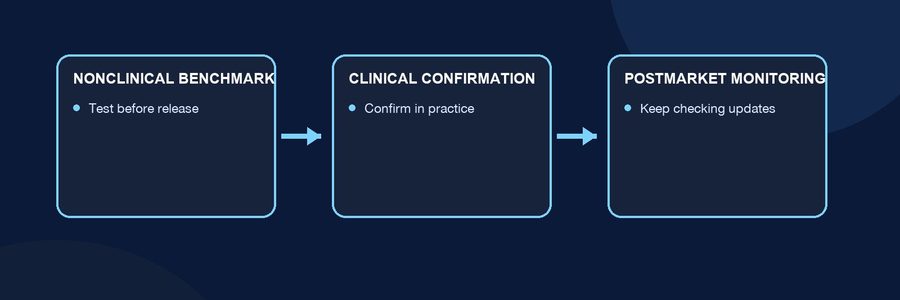
Testing Medical AI: Why the FDA Is Borrowing an Idea From Physician Training
The FDA's draft idea would test a medical AI before release, confirm it in a clinic, and keep checking it after updates.
An AI-Designed Drug Reaches Patients: What Rentosertib Actually Proved
A 71-person phase 2a trial moved rentosertib beyond an AI discovery claim. The lung-function result still needs a larger test.
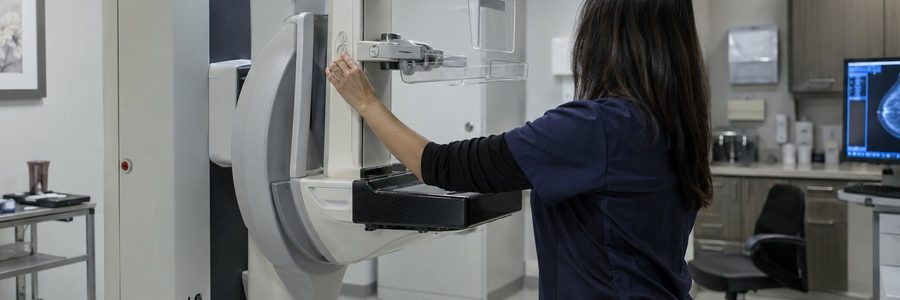
AI and Mammography: Are Some Scans Ready to Skip the Radiologist?
In a 31,301-woman trial, AI cleared low-risk mammograms and cut reading workload by 63.6%. It also increased recalls.

Beta-Alanine: Who Benefits From the Tingling Supplement
Beta-alanine builds muscle carnosine over time. It helps most when a hard effort lasts roughly one to four minutes.

AI Sepsis Alerts: Early Warning System or Alarm Fatigue?
A sepsis alert is useful only when someone responds. The strongest hospital studies show why.
Testosterone and Muscle Growth: What Is Real and What Gets Exaggerated
Testosterone can add muscle. Using it without a medical need also suppresses natural production and creates risks gym advice tends to skip.
Can AI Predict a Heart Attack Before Symptoms Start?
An AI risk score has value when it leads to a concrete change, such as treating LDL or ordering the right follow-up scan.
SARMs: Marketed Like Supplements, Acting More Like Drugs
Researchers tested 44 products sold online as SARMs. Only about half actually contained a SARM.

AI in Cancer Screening: What Happens After the Model Flags a Scan
The MASAI trial included more than 80,000 women. AI support cut reading workload while finding at least as many cancers.
Protein Timing: How Much the Anabolic Window Actually Changes
The 30-minute anabolic window is mostly gym mythology. Total daily protein comes first; meal timing is a smaller detail.
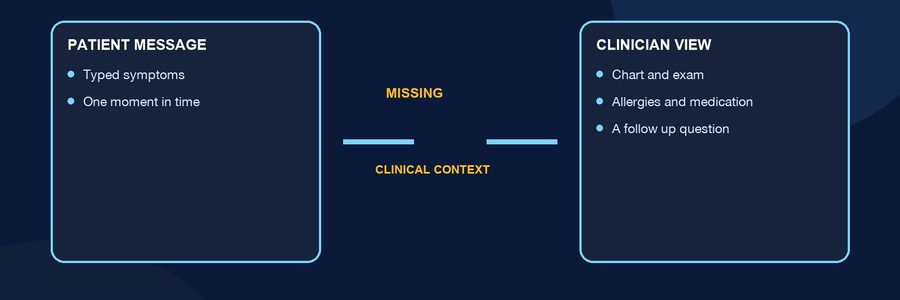
Medical Chatbots: One Missing Detail Can Change the Answer
A chatbot can make a medical answer sound clear even when it missed the one detail that changes the advice.
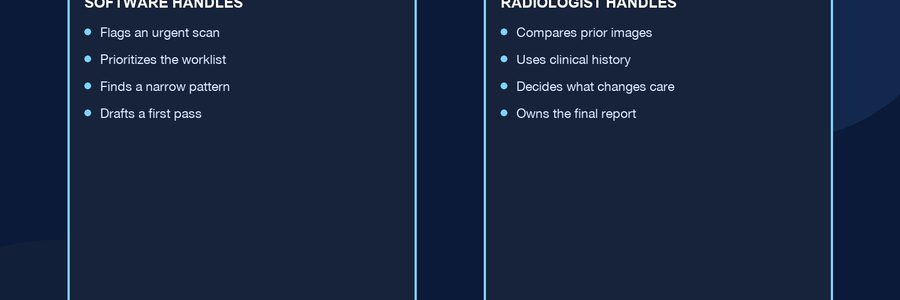
AI and Radiologists: What the Replacement Headlines Miss
AI already flags scans and drafts reports. Radiologists still have to handle the strange cases and own the final call.
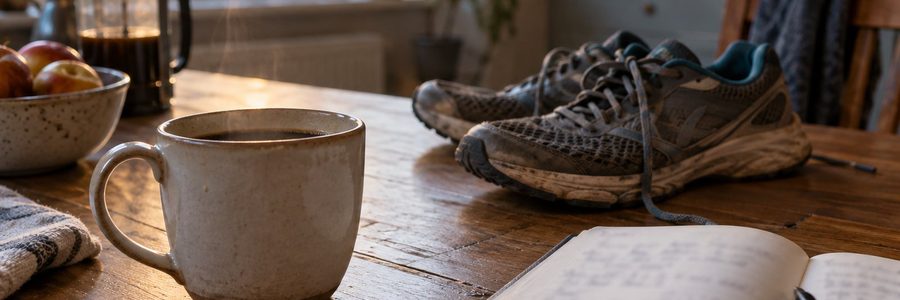
Caffeine and Performance: The Dose I Would Start With
Caffeine helps performance at surprisingly ordinary doses. Taking more mostly raises the chance that sleep pays for it later.

Sleep and Testosterone: What One Week of Short Nights Did
One week of five-hour nights lowered daytime testosterone in a small study of healthy young men. One late night does not establish the pattern.
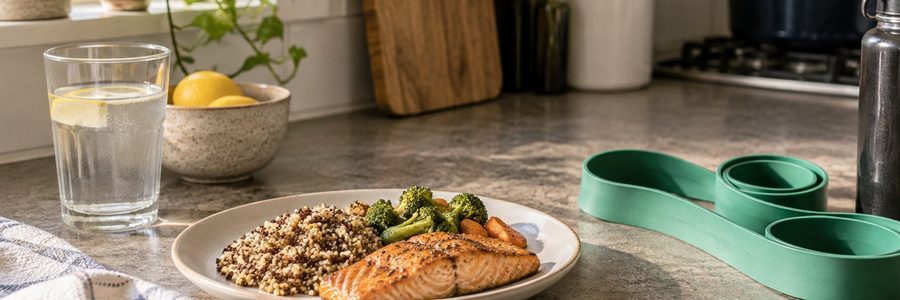
Ozempic, Weight Loss, and Muscle: What Gets Lost Besides Fat?
Fast weight loss can include lean mass. Resistance training and enough protein should be part of the plan from day one.
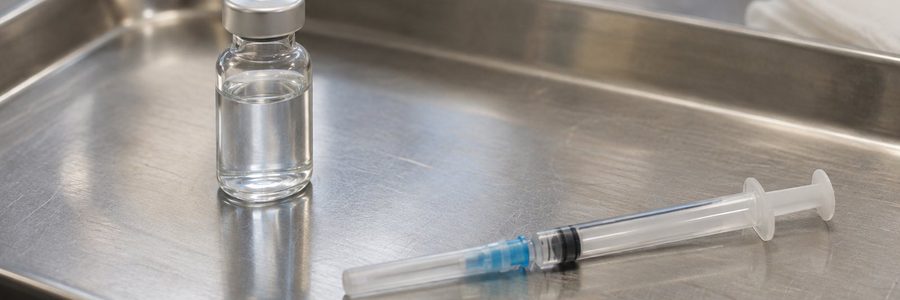
BPC-157: The Human Evidence Is Almost Empty
BPC-157 has a huge online reputation and almost no convincing human evidence for healing an injury.
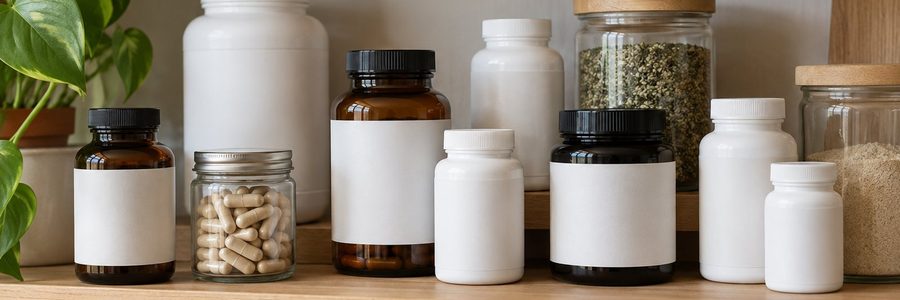
Supplements: What Earned a Place in My Gym Bag
Creatine and caffeine have evidence. Most of the supplement aisle has marketing copy and a much thinner research file.
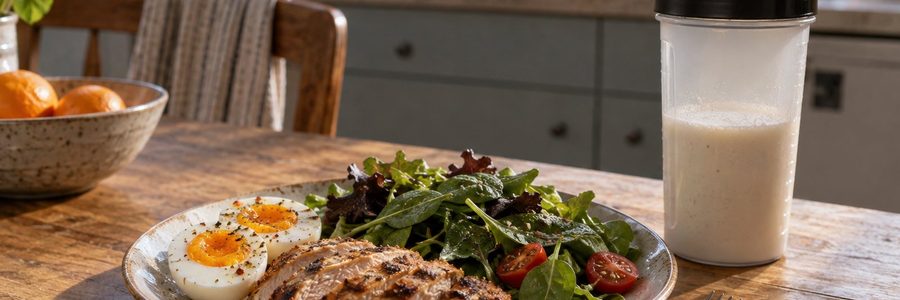
Protein for Muscle Growth: The Amount That Usually Covers It
A large meta-analysis found the added benefit leveling off around 1.6 grams of protein per kilogram per day.
HGH and Muscle Growth: Bigger Lean Mass Is Not the Same as More Strength
In healthy adults, HGH can raise measured lean mass without producing the strength gains its reputation suggests.
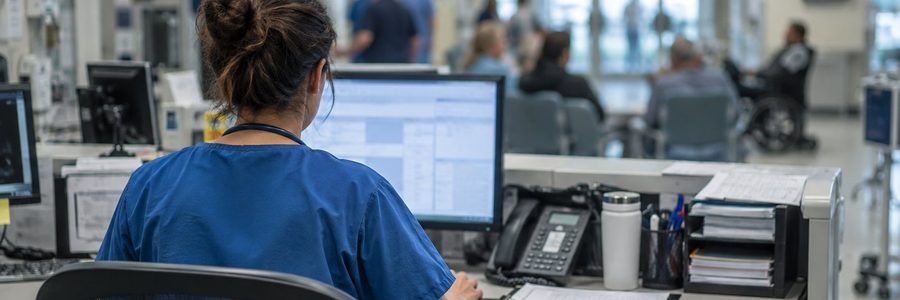
AI Hospital Triage: Can Algorithms Decide Who Needs Care First?
A triage score can catch a patient who looks stable and is getting worse. Hospitals still need to show who acts on the warning.
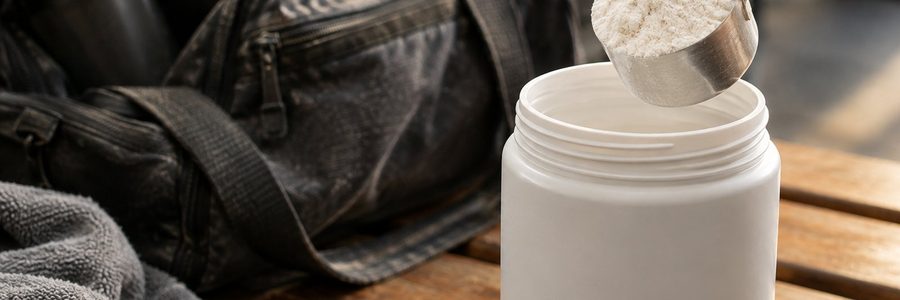
Creatine: Why Three to Five Grams Is Usually Enough
Creatine monohydrate is cheap, heavily studied, and useful for repeated hard efforts. Three to five grams a day is enough for most people.
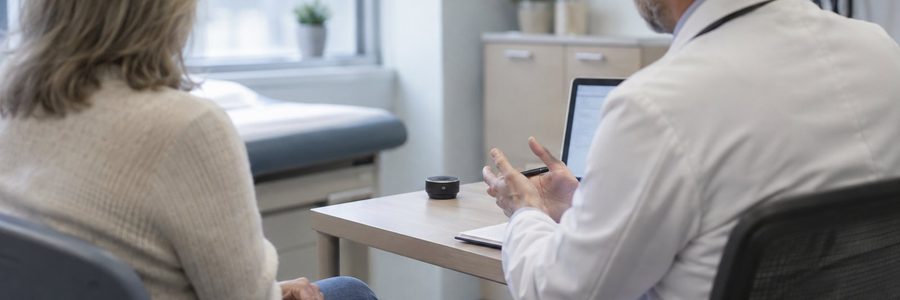
Ambient AI Scribes: The First Medical AI Patients May Actually Notice
An ambient scribe drafts the visit note while the doctor talks with the patient. The useful outcome may be more eye contact.
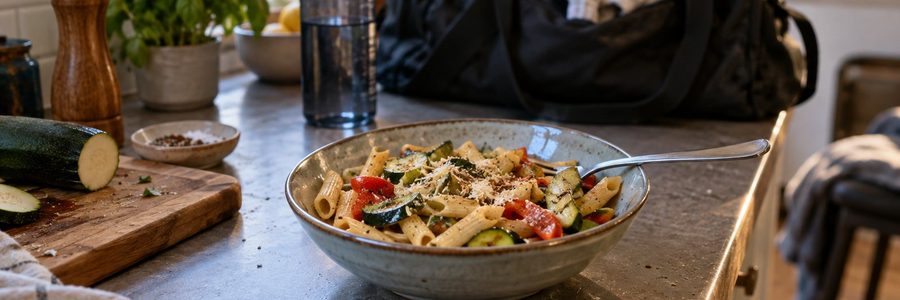
Carbs Around Training: Fuel, Recovery, and the Myth of the Perfect Window
Carbohydrate needs change with the work. A long practice burns through more glycogen than a short lifting session.
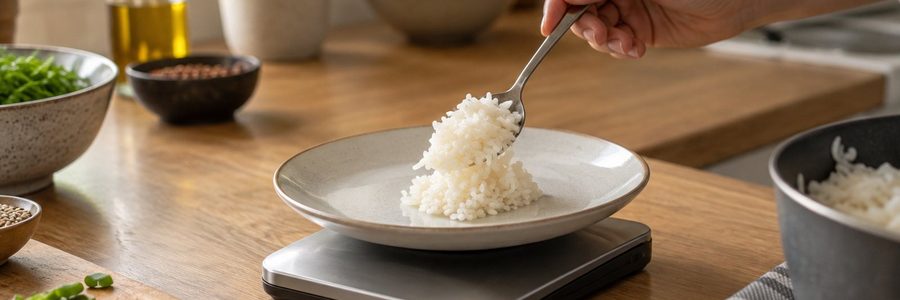
The Lean Bulk: How to Gain Muscle Without Treating Calories Like a Guess
A small calorie surplus gives training room to work. Eating far past it mostly makes the later cut longer.

Sleep and Muscle Growth: The Free Part of the Program
The workout creates fatigue. Sleep is when the body gets a chance to adapt before the next one.
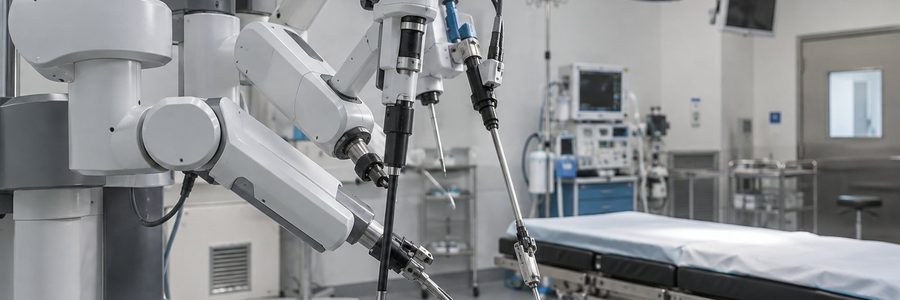
Robotic Surgery: The Machine Still Follows the Surgeon
A surgical robot follows the surgeon's hands. Whether it helps depends on the operation and the experience of the person at the console.
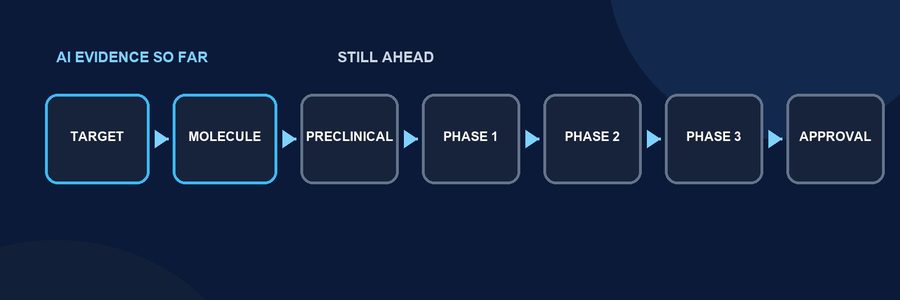
How AI Is Accelerating Drug Discovery and Where the Hype Ends
AlphaFold made protein structures easier to predict. A useful drug still has to pass chemistry and years of human testing.
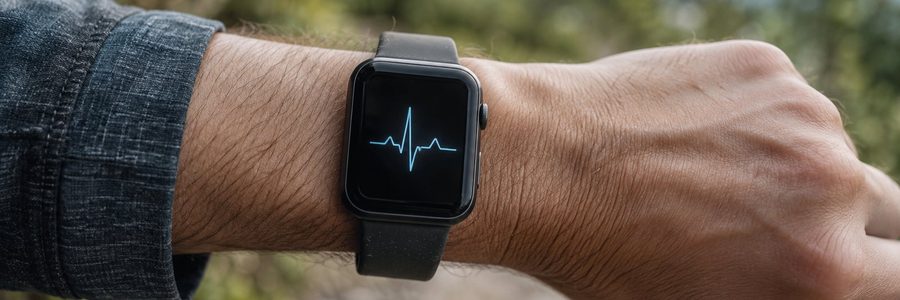
Wearable Biosensors: When More Data Helps and When It Does Not
Continuous glucose monitors already guide treatment. Many other wearable signals still create more data than clear medical decisions.
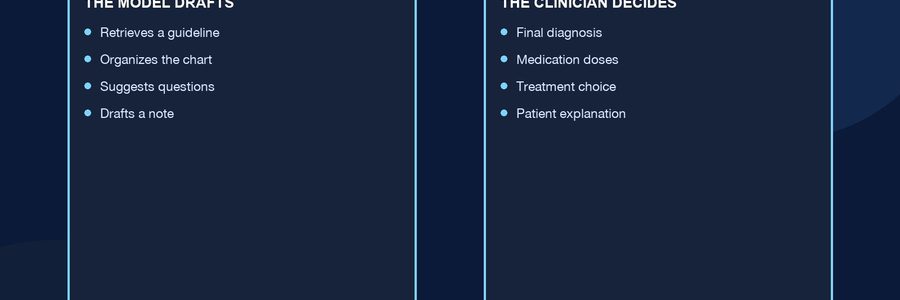
LLMs in the Clinic: Where I Think Doctors Should Draw the Line
AI can give doctors time back and still make a dangerously convincing mistake. The job we give it determines how useful it is.
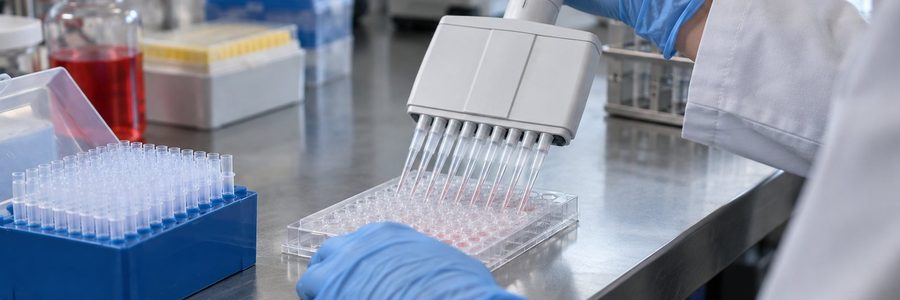
CRISPR in 2026: What Gene Editing Can and Cannot Do Yet
In the Casgevy trial, 29 of 31 evaluable patients avoided severe sickle-cell pain crises for at least a year.
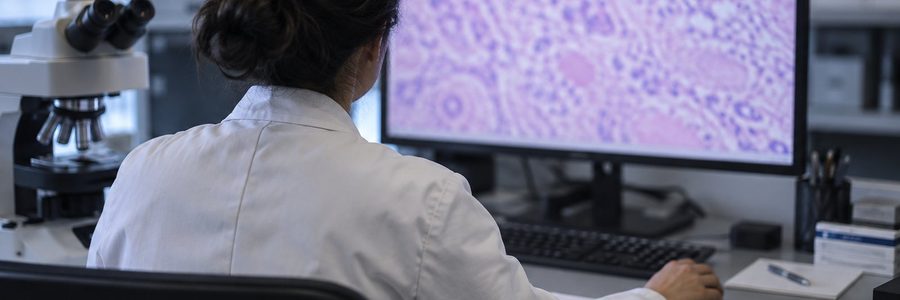
AI in Pathology: Teaching Computers to Spot Cancer in a Slide
AI can mark a suspicious patch on a digital slide. A pathologist still decides what those cells mean for the patient.
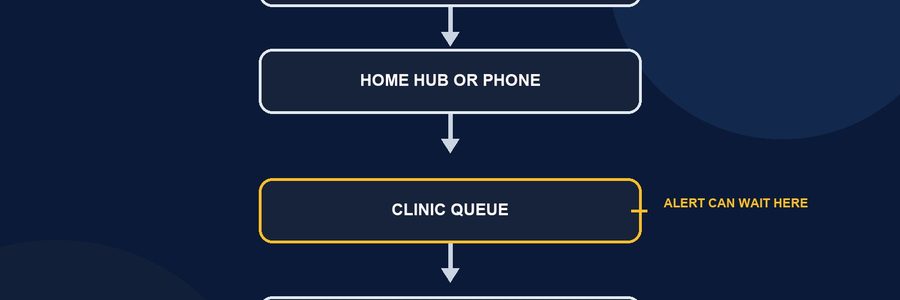
Smart Implants: Who Watches the Data From Inside the Body?
Connected implants can report a rhythm change or device problem from home. Someone still has to watch the alert.
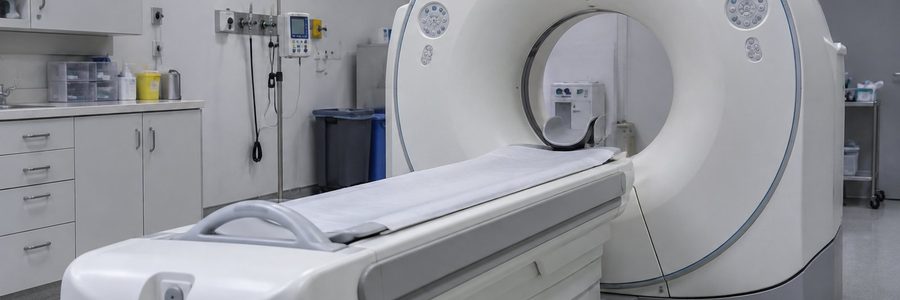
Medical Imaging Is Changing: Faster Scans and Smaller Machines
Photon-counting CT, shorter MRI scans, and portable machines are changing who can get a useful image and how long it takes.

Can AI Detect Depression Before You Can?
Speech may contain clues about depression. Using those clues without consent would turn a screening idea into surveillance.