Quick takeaways
- AI may help spot hidden cardiovascular risk earlier than normal clinic visits.
- The strongest tools combine imaging, ECG data, labs, and patient history instead of guessing from one number.
- A prediction is only useful if it changes prevention, follow-up, or treatment.
- False reassurance is just as dangerous as a false alarm.
Why heart attacks are hard to predict
Heart attacks can feel sudden even though risk usually builds for years. Cholesterol, blood pressure, diabetes, smoking and family history never appear as one clean warning sign. A normal appointment captures only a small part of that history.
AI is useful here when it can pull different pieces of the chart together at once. A model might catch a pattern across ECG signals, CT images, lab trends, and old notes that would be easy to miss in a short visit.
Catch the risk while there is still time
The useful goal is finding people whose risk is higher than it appears while prevention can still change the outcome. A high score should lead to a specific response such as tighter cholesterol control, blood pressure treatment or follow-up imaging.
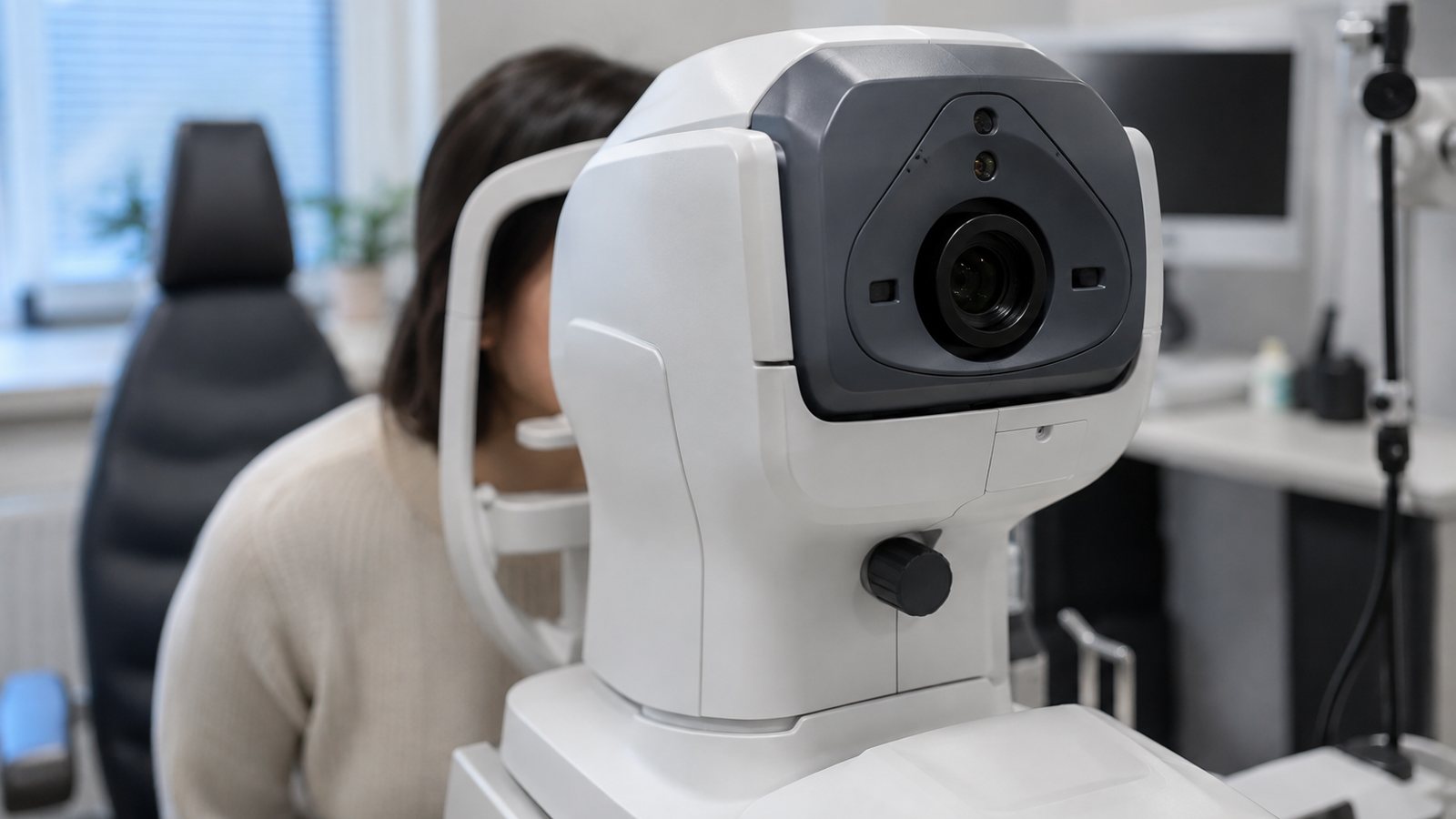
Poplin et al. trained deep learning models on retinal fundus photos and showed that the images carry signals about age, sex, smoking status, blood pressure and cardiovascular event risk (Poplin et al.). The retina contains vascular information that the model could partly recover.
Lin et al. took a different route with coronary CT angiography. In an international multicentre study, deep learning helped quantify plaque and stenosis features from scans, then connected those image features with later cardiac risk (Lin et al.). That is closer to the kind of AI I find believable because it pulls more usable detail out of tests doctors already order.
The problem with risk scores
Risk scores can change behavior, but they can also create confusion. If a model gives a patient a high-risk label, someone has to explain what that means and what to do next. If the answer is just worry more, the tool failed.
False negatives are also a problem. A low-risk AI score should not become permission to ignore chest pain, family history, or basic prevention. If a score comes back high, it should lead to a real next step. If it comes back low, the doctor still has to listen to the patient in front of them.
A prediction needs an exit ramp
A patient told that an algorithm sees elevated risk in a retinal photo needs a useful next step. “Talk to your doctor” is too vague. A clinical study should specify what action follows the score and whether that action improves prevention.
There is also a danger of counting the same risk twice. A model may infer age, smoking or blood pressure from an image, then appear to discover risk that a normal history already revealed. Researchers need to compare it with the information a clinician already has, not with an empty baseline.
I still like the idea. The eye and the heart share a vascular system, so hidden patterns are plausible. I just want the prediction to change prevention in a way a patient can understand.
My Thoughts
This is one of the more useful places for medical AI because prevention is where acting earlier pays off most. If a model helps identify risk earlier, the patient may avoid the emergency altogether.
I would trust it most when the output is tied to a clear plan, such as lowering LDL or ordering follow-up imaging. A high-risk score without a defined response only creates anxiety.