Quick takeaways
- Wearables are moving from step counters toward real health monitoring.
- Better sensors can help track patterns between appointments.
- More data is useful only if it leads to better decisions instead of more noise.
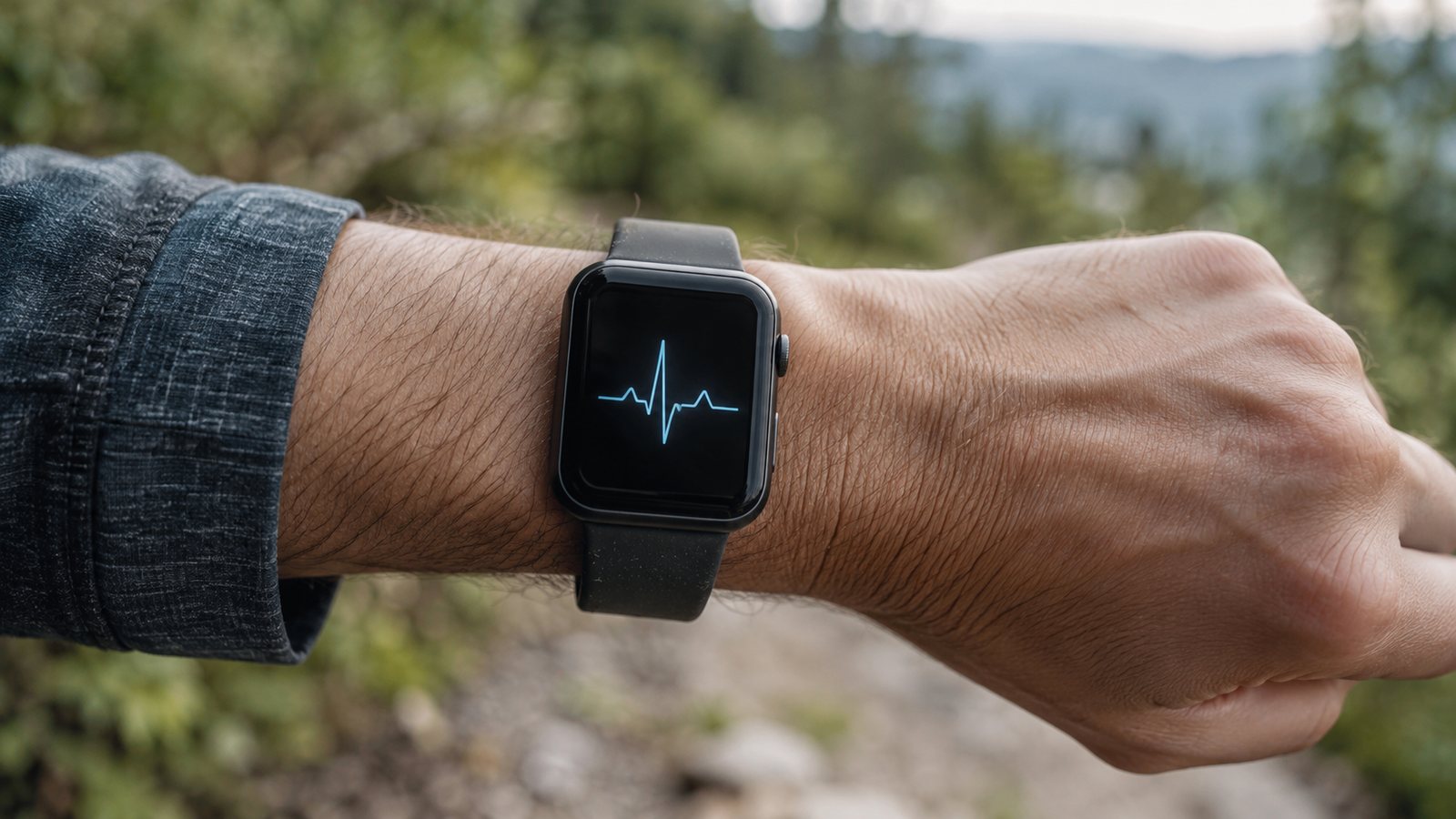
When Apple added an ECG to the Apple Watch in 2018, a consumer gadget could warn its owner about a possible irregular rhythm. Stories about a watch noticing atrial fibrillation before its owner drew attention. The next step after the alert received less of it.
Continuous glucose monitors show what a medical wearable can do when the number has a clear use. A small sensor under the skin measures glucose throughout the day. Systems such as Dexcom G7 and FreeStyle Libre can send the readings to a phone and share them with a caregiver. The person sees a pattern instead of a few isolated finger-stick measurements.
Blood pressure has been harder. An accurate reading needs a cuff that squeezes the artery, and a watch band cannot do that. Samsung and Withings have released devices that estimate blood pressure from the pulse at the wrist, but accuracy varies a lot from person to person. The FDA has been cautious about clearing these devices for medical use, and most remain marketed as wellness tools rather than diagnostic ones.
Researchers also want to catch illness before symptoms. A Stanford study used changes in wearable data to flag some COVID-19 infections before symptoms appeared. Other teams have looked for movement changes associated with Parkinson's disease. Those studies found signals worth testing further. They did not establish a diagnosis from a watch.
Heart-rate variability can shift after a bad night, a hard practice or caffeine. A sensor may measure the change accurately without knowing its cause.
Price is easy to forget in a product demo. The people who might benefit most from earlier detection may be the least likely to own the newest watch or pay for its subscription.
I am less interested in how many numbers a wearable can collect than in whether one of them changes a decision. Glucose data already can, while a speculative sweat score may only give a healthy person another chart to worry about. I want a clear next step before I want another graph.
Wellness data can still create medical anxiety
A device may avoid calling itself diagnostic and still make the user feel diagnosed. If a watch repeatedly labels recovery as poor, people can start treating the score as a fact about their health even when the model is responding to a late meal or a loose strap.
I would like wearables to show their uncertainty and explain what a reading cannot tell us. One strange night should look different from a month-long pattern. The app should also make it clear when a finding deserves a clinician instead of another graph.
A patient can bring weeks of glucose or rhythm data to an appointment instead of trying to remember how they felt. That record can give the clinician a clearer place to start.