Quick takeaways
- Creatine monohydrate is still the default choice because it has the deepest evidence base.
- Micronized creatine is usually just creatine monohydrate with smaller particles; it may mix better, but it is not a different molecule.
- Most newer forms are marketed as upgrades, but the evidence has not shown a clear advantage over monohydrate.
- The real benefit is training quality: a little more repeated high-intensity work can add up over time.
- Healthy lifters generally tolerate creatine well, but medical conditions should be handled with a clinician.
Creatine is one of the few supplements where the reputation mostly matches the research. The effect is specific: creatine helps the body recycle ATP during short bursts of hard work. For a lifter, that can mean a little more output across repeated sets. For a sprinter or field athlete, it can mean holding power when hard efforts come close together.
The International Society of Sports Nutrition has called creatine monohydrate one of the most effective legal supplements for increasing high-intensity exercise capacity and lean mass during training (Kreider et al.). The position stand assumes that training still progresses. Creatine may help someone repeat quality work across hard sets, which can add up over time.
Why it helps training
During heavy sets, sprints and short repeated efforts, the body uses phosphocreatine to help regenerate ATP quickly. Muscle stores of phosphocreatine are limited. Supplementing creatine can increase those stores, which is why the effects show up most clearly in repeated high-intensity work rather than easy cardio.
A 2024 systematic review and meta-analysis in the Journal of Strength and Conditioning Research looked at creatine added to resistance training in adults under 50 and reported added improvements in lean mass outcomes compared with training alone (Desai et al.). Some of the measured gain can come from increased intracellular water. In a training study, the combination of improved output and lean-mass trends still makes creatine useful.
Monohydrate, micronized, HCL, buffered, and everything else
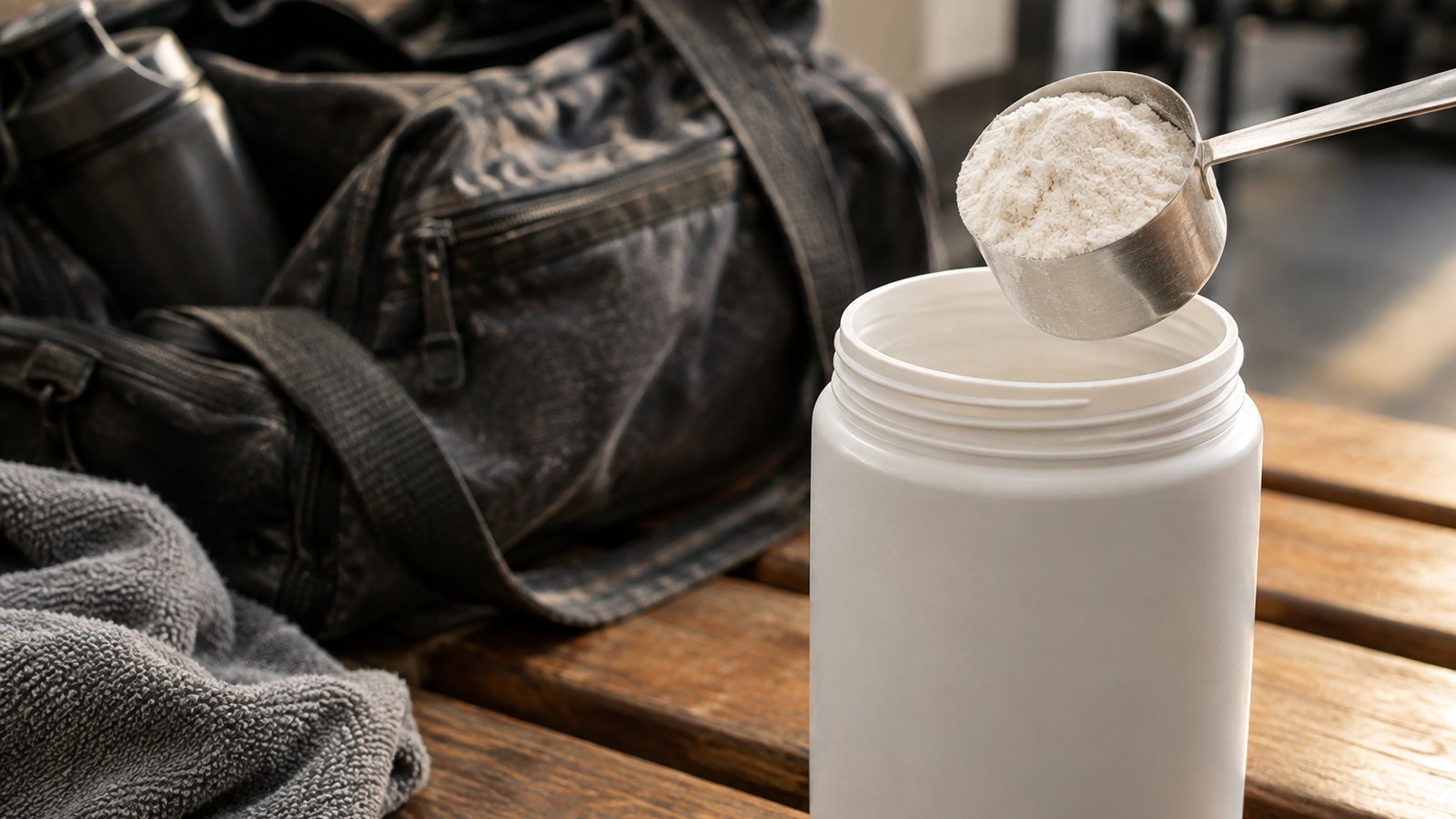
Creatine monohydrate is the form most research uses. If someone asks what to buy, that is usually the answer. Micronized creatine is still monohydrate, just processed into smaller particles so it may mix more easily in water. That can help texture without improving muscle uptake.
Other forms are often sold as if they solve absorption, bloating, or dosing problems. The 2021 JISSN review on creatine myths and misconceptions found little support for claims that alternatives are superior to creatine monohydrate (Kreider et al.). A buffered creatine trial also failed to show greater gains in muscle creatine, body composition, strength or safety compared with monohydrate (Jagim et al.). An expensive alternative should show a clear advantage before I would choose it.
Loading versus daily use
Loading protocols saturate muscle creatine stores faster, usually through a short high-dose phase followed by a smaller maintenance dose. Loading is optional. A smaller daily dose taken consistently raises muscle creatine stores more gradually.
For a student lifter, I would choose a habit I can repeat over a protocol that sounds advanced. Creatine does not need to be timed perfectly around a workout. Taking it with a normal meal and staying consistent is usually more realistic than building a whole ritual around it.
What the safety research says
For healthy people, creatine has a strong safety record in the research literature. The ISSN position stand reviewed long-term studies and did not find evidence that recommended creatine use damages kidney function in healthy users (Kreider et al.). More recent reviews continue to separate normal creatine-related changes in blood creatinine from actual kidney injury, which is a useful distinction because creatinine is also used as a kidney marker.
Anyone with kidney disease, medication questions or another medical condition should talk to a clinician before taking it every day.
My Thoughts
If the goal is muscle and performance, creatine monohydrate is the cleanest recommendation because it is cheap and studied. Micronized monohydrate is fine if you like how it mixes. The fancier versions need better evidence before they deserve the higher price.
I would add creatine after training and food are already moving in the right direction. Its small benefit cannot repair a program that is not progressing.